
Santino's A+ Handyman Service

Small Home Repairs That Turn Into Big Problems If You Ignore Them

Small Home Repairs That Turn Into Big Problems If You Ignore Them

Most homeowners notice small issues around the house and think, “I’ll fix that later.” A dripping tap, a tiny crack in the wall, or a loose tile does not seem urgent at the time. But these small problems rarely stay small.

In reality, many of the most expensive home repairs start as minor issues that are easy and affordable to fix early. When ignored, they gradually worsen, leading to structural damage, higher repair costs, and unnecessary stress.

For homeowners who prefer to stay ahead of these issues, working with experienced professionals like Santino’s A+ Handyman Service can make a big difference in catching problems early and avoiding costly repairs.

For homes in areas like Escondido, where heat, sun exposure, and seasonal changes affect building materials, staying proactive with maintenance is even more important. Knowing what to look for and acting early can save you thousands in the long run.

Leaky faucets that lead to hidden water damage

A dripping faucet might seem harmless, but it often signals a deeper plumbing issue. Over time, that small leak can increase water pressure in pipes or indicate worn-out components.

What starts as a slow drip can turn into hidden leaks behind walls or under sinks. This can lead to water damage, mould growth, and even structural issues. The cost of repairing water damage is far higher than fixing a simple leak early.

Cracked caulking that allows moisture inside

Caulking around windows, doors, and bathrooms is designed to keep moisture out. In warmer climates, heat can cause caulking to dry, crack, and shrink over time.

Once gaps appear, water can seep into areas you cannot see. This leads to mould, rot, and damage to surrounding materials. Reapplying caulking is quick and affordable, but ignoring it can result in major repair work later.

Clogged gutters that damage your roof and foundation

Gutters play a critical role in directing water away from your home. When they become clogged with debris, water overflows instead of draining properly.

This overflow can damage your roof, stain exterior walls, and weaken your home’s foundation. In areas where rain comes after long dry periods, clogged gutters can quickly become a serious issue.

Small wall cracks that signal bigger problems

Hairline cracks in walls are often ignored because they seem cosmetic. However, they can sometimes indicate a shift in the structure of your home.

Over time, these cracks may widen and lead to more serious structural concerns. While not all cracks are dangerous, it is important to monitor them and address any changes early.

Peeling paint that exposes your home to damage

Paint does more than improve appearance. It protects surfaces from moisture, sunlight, and wear. When paint begins to peel, it exposes the material underneath to the elements.

In sunny environments, this exposure can lead to wood deterioration and surface damage. Repainting early helps protect your home and avoids costly repairs later.

Loose or damaged tiles are causing deeper issues

A single loose tile may not seem like a big deal, but it can allow water to seep underneath flooring or walls. This is especially common in kitchens and bathrooms.

Once water gets below the surface, it can damage the subfloor and lead to mould growth. Fixing a tile early is simple, but replacing an entire floor is not.

Slow drains that turn into major blockages

A slow-draining sink or shower is often ignored until it becomes completely blocked. This usually happens due to a buildup of grease, soap, or debris in the pipes.

If left untreated, the blockage can worsen and put pressure on your plumbing system. In some cases, it may even lead to pipe damage or the need for replacement.

Damaged roof shingles that lead to leaks

Roof damage is easy to miss, especially if it is minor. A small crack or missing shingle might not cause immediate problems, but it creates an entry point for water.

When rain arrives, water can seep into your home, damaging ceilings and insulation. Fixing a small roofing issue early is far more affordable than dealing with widespread water damage.

Worn seals around doors and windows

Seals around doors and windows help maintain indoor comfort and energy efficiency. When these seals wear out, they allow air and moisture to enter your home.

This leads to higher energy bills and can also cause water damage during rain. Replacing seals is a simple task, but ignoring them can increase long-term costs.

Minor electrical issues that become safety hazards

Loose outlets, flickering lights, or tripping breakers are often dismissed as minor annoyances. However, these can indicate underlying electrical problems.

If not addressed, they can lead to serious safety risks, including fire hazards. Electrical issues should always be taken seriously and handled promptly.

Why homeowners delay small repairs

Many homeowners delay repairs because the problem does not seem urgent. Others may not have the time or tools to fix the issue themselves.

In some cases, it is simply a matter of underestimating how quickly small problems can grow. Unfortunately, waiting often leads to higher costs and more complicated repairs.

How early repairs save you money

Fixing small problems early is always more cost-effective than dealing with major repairs later. A minor leak or crack can often be repaired quickly, but if ignored, it may lead to structural damage that requires extensive work.

Regular home maintenance also helps preserve the value of your property. A well-maintained home is less likely to experience sudden issues and more likely to perform efficiently over time.

Final thoughts

Small home repairs are easy to overlook, but they have a way of turning into bigger problems when ignored. What seems minor today can become a major expense tomorrow if left untreated.

Taking action early helps protect your home, reduce repair costs, and avoid unnecessary stress. Whether it is fixing a leak, sealing a gap, or repairing a damaged surface, staying proactive is always the better choice.

For homeowners who want peace of mind and reliable results, turning to trusted services like Santino’s A+ Handyman Service can help ensure small issues are handled before they turn into costly repairs.

FAQs

Leaks, electrical issues, roof damage, and cracks in walls should always be addressed early, as they can lead to more serious problems.

When ignored, small issues worsen over time and can cause damage to other parts of your home, increasing the overall repair cost.

Some minor repairs can be handled with basic tools, but more complex issues should be addressed by a professional to avoid further damage.

It is a good idea to inspect your home every few months and after seasonal changes to catch problems early.

If a repair involves plumbing, electrical work, structural concerns, or ongoing issues, it is best to hire a professional.
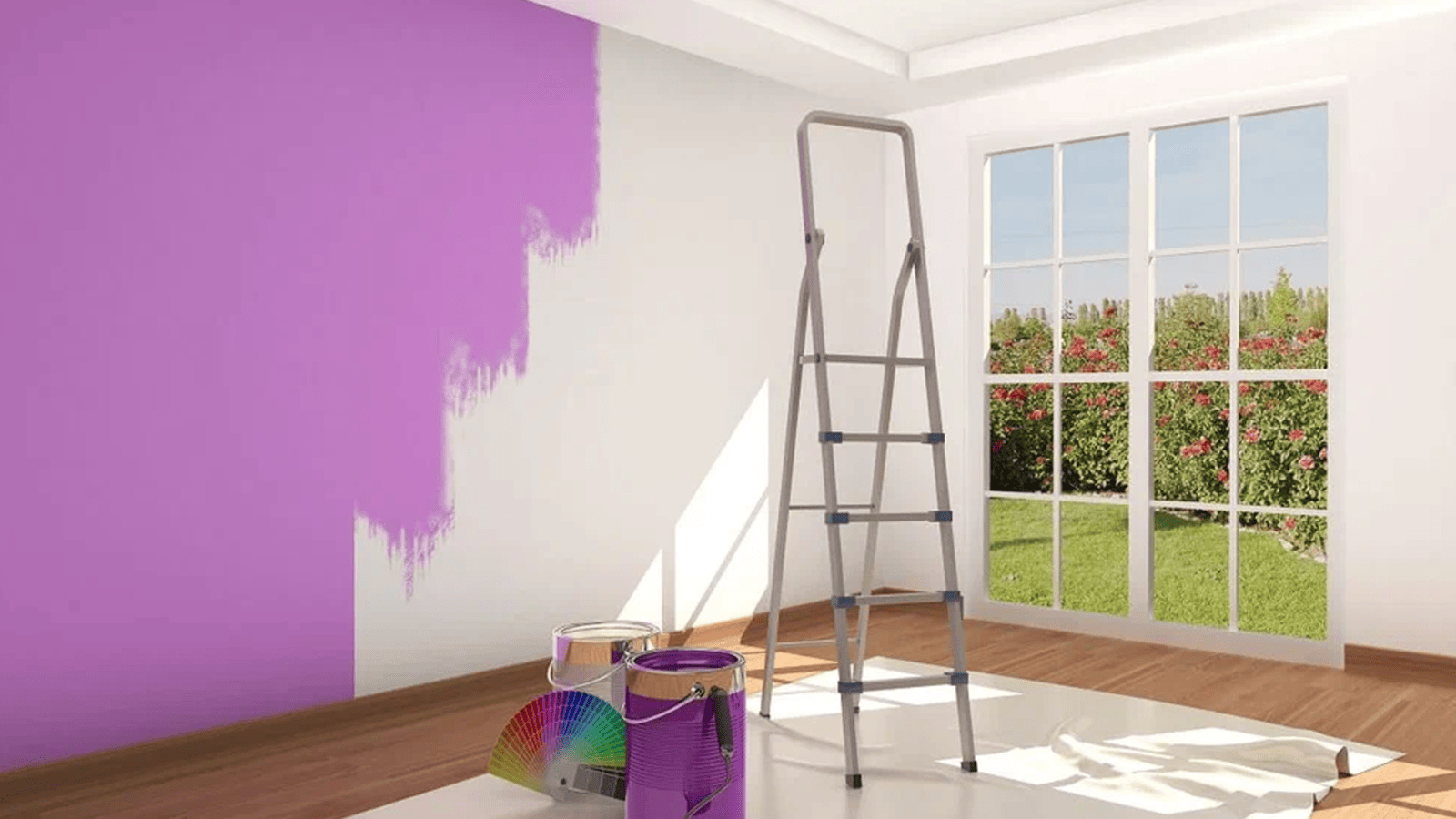
How Long Does Exterior Paint Last in 2025?

How Long Does Exterior Paint Last in 2025?

Let’s be honest. Nobody really wakes up excited thinking, “Today I’ll figure out how long does exterior paint last on wood.” But here you are, asking the very questions homeowners everywhere ask themselves the moment they see that first crack on their exteriors. So, let’s dive into it. In 2025, paint technology has come a long way, but nature is still undefeated. And yes, when repainting a house’s exterior is one of those things you can’t avoid forever.

The truth? How long does paint last depends on a mix of science, surface prep, and your local area’s climate. You can buy premium paint, use a perfect paint primer, and hire experienced painters, but if you skip the basics like surface preparation, power washing, or caulking gaps, don’t expect miracles. So let’s break it down by the type of siding because not all walls are created equal.

Wood Siding

So, how often should you paint the exterior of your house if it’s wood? Generally, every 3–7 years. Wood siding is high-maintenance because it expands, contracts, and drinks in moisture like a sponge. That means moisture damage, mold, mildew, algae, and even fading colors show up sooner than you’d expect. 

However, if you want long-lasting results, start with an oil-based primer or water-based primer (depending on whether it’s hardwood vs softwood) before finishing with acrylic latex paint or even elastomeric paint for better paint adhesion.

Fiber Cement Siding

This one’s the low-maintenance kind. Fiber cement siding typically holds exterior paint life expectancy for 10–15 years. With a good primer coat and multiple coats of paint, it handles UV rays, humidity, and temperature fluctuations like a champ. 

Acrylic paint or mineral-based paint works best here because it resists chalking and cracking paint. Want to know how long the exterior paint lasts on fiber cement? Longer than wood, less than brick, and enough to keep you stress-free for a decade.

Aluminum Siding

Now let’s talk aluminum siding. If you think metal means invincible, think again. While metal siding itself can last 40–70 years, the long lasting outdoor paint covering it? About 5–10 years. 

Factors like high winds, rain, or direct sunlight take a toll at even the longest-lasting exterior paint. Here, oil-based paint or acrylic latex paint gives the best paint coverage and curb appeal. Don’t forget taping for sharp lines if you DIY, unless you want your home to look like a preschool art project.

Brick Siding

Brick siding is sturdy but tricky as well. Painted brick requires touch-ups every 3–5 years because peeling paint or trapped moisture damage can ruin the brick inside out. Go for acrylic paint or mineral-based paint for better breathability. 

And in case you’re asking how long will exterior paint last on brick, the answer is not as long as you’d like. Think of it as a cosmetic upgrade, not a permanent solution.

Stucco Siding

Stucco siding has its way of standing out. Painted stucco can last anywhere between 5–10 years with proper upkeep. The real challenge? Cracking paint and tiny surface flaws that invite water inside.

Regular upkeep and a good paint roller or spray painting session can definitely help extend the exterior paint’s lifespan. Which is why for maximum durability, many professional painting companies use elastomeric paint because it stretches over hairline cracks and gives a smooth finish.

Vinyl Siding

Surprise, vinyl siding isn’t usually painted, but it can be. Expect the exterior paint to last between 8–10 years, especially with lighter shades that reduce heat absorption, since dark paints fade faster in direct sunlight. 

If you’re brave enough for a DIY paint job, stick to acrylic latex paint for strong paint adhesion. Otherwise, let painting experts handle it for a home exterior protection that doesn’t peel in a single summer.

Factors That Affect Exterior Paint Longevity

You guessed it. Exterior paint doesn’t last forever because of more than just the type of siding. How long does outdoor paint last also depends heavily upon a variety of factors that include the quality of the paint, how well the surface was prepped, the local climate, and how the paint was applied. 

Here are the main factors behind why you need a paint-job so often:

Surface Preparation

Skipping sanding, caulking gaps, and power washing is basically asking for cracking paint and chalking. It might sound cheap to avoid the cost upfront but you will probably end up paying more in the long-run. 

Paint Quality

Not all cans are equal. High-quality paint and premium paint are known to resist UV rays, snow, rain, and extreme weather conditions. Cheap paint? It goes bad faster than milk. Speaking of which, yes, does paint go bad? Absolutely. Open it once, forget it in the garage, and enjoy your lumpy science experiment.

Application Method

Whether it’s hand painting, a paint roller, or spray painting, the technique plays a key role in deciding how long is paint good for. Even coverage and multiple coats of paint guarantee better paint coverage and longer drying and curing time for maximum durability.

Climate Impact

Harsh winters, temperature fluctuations, humidity, direct sunlight, high winds, rain, and snow all eat away at the exterior wall surface. Even shade protection can be a double-edged sword, since less sun but more moisture invites mold, mildew, algae.

Signs It’s Time to Repaint

  • Fading colors on sun-exposed walls

  • Peeling paint, cracking paint, or flaking paint

  • Chalking when you rub the siding

  • Visible mold, mildew, or algae

  • Paint older than 7 to 10 years

Conclusion

So, how often do you paint a house exterior? The honest answer lies anywhere from 3 to 15 years, depending on the surface, the weather, and whether you treated your home with love or neglect. A well-prepared, well-painted exterior not only protects against elements but also extends paint longevity. 

Ready to Transform ?

At Santino’s A+ Handyman Service, our painting experts deliver professional exterior painting services with top-quality paints and techniques that guarantee long-lasting results. Handling everything from exterior wall inspection and prep to finishing, we give your exterior that flawless look that it demands in 2025. Call us today at (760) 697-4828.

FAQs

Unopened cans last up to 10 years. Open paint goes bad in 2–5 years depending on storage.

Every 3–15 years depending on siding type, paint quality, and climate conditions.

Acrylic latex paint and elastomeric paint are the top choices for durability and flexibility.

On average, 5–10 years, but masonry surfaces and stucco siding can last longer with proper upkeep.