Santino's A+ Handyman Service

What Causes Nail Pops in Drywall and How Professionals Fix Them

What Causes Nail Pops in Drywall and How Professionals Fix Them

You are sitting on the couch watching TV, and your eyes wander to the wall. There it is again, that little bump you have been ignoring for months. A small circular crack with a raised center that looks like a tiny pimple on your otherwise smooth drywall.

Nail pops in drywall are incredibly common, and in most cases, they are not a sign that your house is falling apart. In older homes, you might even find drywall nail pops everywhere, especially on ceilings. So before you panic, let us figure out what these bumps actually are.

But are nail pops in drywall dangerous? Not really. They are mostly an eyesore, a cosmetic nuisance that makes your walls look less than perfect. But understanding what causes them and how professionals fix them can save you from staring at those annoying little bumps for years.

What Exactly Are Nail Pops in Drywall?

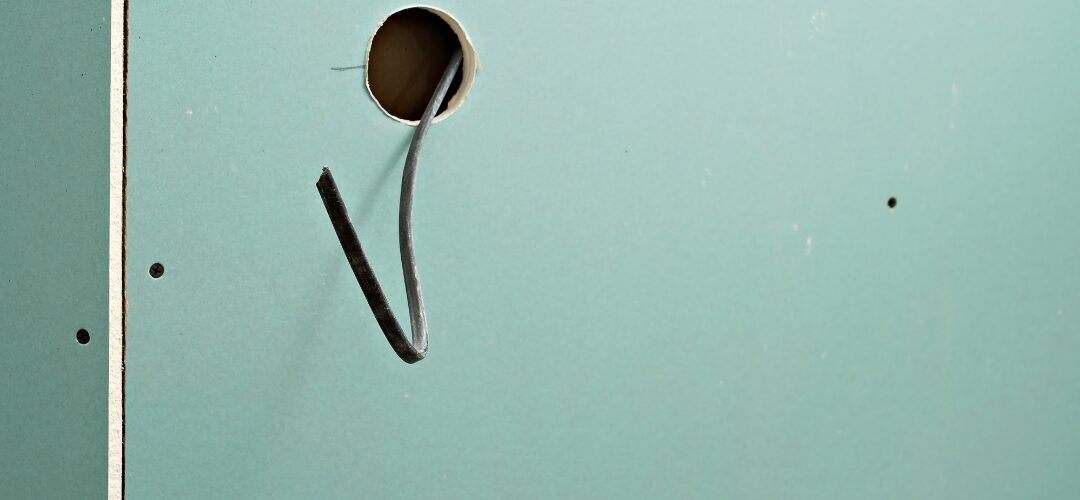
Before we dive into causes and fixes, let us get clear on what we are actually looking at. A nail pop is exactly what it sounds like. The head of a nail or screw has worked its way loose from the wooden stud behind your drywall and pushed forward, creating a small bump or crack on the surface.

Popped nails in wall are different from drywall screw pops, though they look similar. Nail pops happen when a nail backs out over time, while screw pops usually occur when the screw was overdriven during installation, breaking the paper face of the drywall and allowing the fastener to sink in too deep. Either way, wall bulging nail heads are the result, and they can appear on both walls and ceilings.

You might be wondering “how common are drywall nail pops?” The answer is very common. Almost every home with drywall will experience them at some point. They are especially frequent in nail pops in 20 year old home scenarios, simply because the house has had more time for the wood framing to dry out and shift. Seeing a few pops here and there is completely normal. Seeing them everywhere might just mean your home has reached a certain age, not that something is very wrong.

What Causes Nail Pops in Walls and Ceilings?

Understanding the root cause of a problem is the first step toward fixing it. And the short answer to our question is “movement”. Your house is not a static object. It breathes, it shifts, and it responds to the environment around it. Here are the main reasons nail pops appear.

Wood Shrinkage and Framing Movement

The primary culprit behind nail pops is the wood framing behind your drywall. Wood studs contain moisture when they are first installed, and over time, that moisture evaporates. As the wood dries out, it shrinks. This shrinkage can cause the stud to twist or warp slightly, and when that happens, the nails or screws holding the drywall in place lose their grip. The fastener gets pushed outward, and you end up with a bump on your wall.

Seasonal Humidity Changes

Another major factor is the weather. In the summer, wood absorbs moisture from the air and expands. In the winter, the air dries out, and the wood contracts. This constant cycle of expansion and contraction puts stress on the fasteners year after year, and eventually, something has to give. This is why what causes nail pops in drywall ceilings and walls is often traced back to the climate you live in.

Improper Installation

Sometimes the problem has nothing to do with age or weather and everything to do with how the house was built in the first place. If the original builder used nails instead of screws, drove the fasteners in at an angle, missed the stud entirely, or over-drove them so they broke through the paper face of the drywall, you are more likely to see pops down the road.

Foundation Settling

While a random nail pop here and there is nothing to worry about, clusters of pops in a row can sometimes indicate foundation movement or shifting joists. This is less common, but if you notice a line of pops along a wall or ceiling, it is worth having a professional take a look.

Are Nail Pops Dangerous? And How Many Are Normal?

Are Nail Pops in Drywall Dangerous?

Generally speaking, no. A few nail pops here and there are not a sign that your house is about to collapse or that your roof is failing. They are mostly a cosmetic nuisance, an eyesore that makes your walls look less than perfect.

That said, there are situations where nail pops deserve more attention. If you see clusters of pops in a straight line along a wall or ceiling, that could indicate a structural issue like foundation settling or a joist that has shifted. If the pops are accompanied by soft drywall, water stains, or cracks that run horizontally or diagonally across the wall, you might have a moisture problem or something more serious going on. In those cases, calling a professional is the smart move.

How Many Nail Pops are Normal?

There is no magic number, but a good rule of thumb is this. Seeing a few pops scattered around your home is completely normal. Houses settle, wood dries out, and fasteners loosen over time. You might find a couple on the ceiling of a bedroom, one or two in the hallway, and another near a window. That is nothing to worry about.

However, if you have drywall nail pops everywhere, covering entire walls or appearing in clusters, that could indicate a larger issue. It might mean the original drywall installation was poor, the framing was low quality, or there is excessive movement in the structure. A dozen pops across a 2,000 square foot home is normal. Fifty pops concentrated in one room is not.

When in doubt, a drywall contractor can assess whether your pops are just cosmetic or a sign of something deeper.

How Do Professionals Fix Nail Pops?

Now for the part you actually need. How to make those annoying bumps disappear for good.

Why Hammering Them Back in Does Not Work

The first thing you need to know is what not to do. Do not take a hammer and try to pound the popped nail back into the wall. It will not solve the problem. The wood stud behind the drywall has already shifted or dried out, and the nail has lost its grip. Hammering it back in might make it look flat for a day or two, but it will pop right back out again, often worse than before.

The Professional Screw and Patch Method

So how do professionals fix nail pops? They follow a reliable, multi-step process that addresses the root cause and leaves the wall looking like new.

Step 1: Secure the drywall with new screws

The first thing a pro does is drive a new drywall screw about one to two inches above or below the popped nail. This screw goes into the solid wood stud and pulls the drywall tight against the framing. Sometimes they will add a second screw on the other side of the pop for extra holding power.

Step 2: Handle the old fastener

Next, they deal with the popped nail or screw. If it is a nail, they either pull it out completely with a claw hammer or drive it about an eighth of an inch below the surface of the drywall using a nail set tool. If it is a screw that has popped, they will usually remove it or tighten it down below the surface.

Step 3: Clear the area

Using a utility knife, they scrape away any loose paper, old joint compound, or peeling paint around the popped area. This creates a clean, solid surface for the new patch to adhere to.

Step 4: Apply joint compound

This is where the magic happens. The professional applies a thin coat of setting-type joint compound (often called “mud” or “hot mud”) over the screw heads and the old nail hole. They feather the edges so the patch blends seamlessly into the surrounding wall. After the first coat dries, they apply a second, thinner coat, and sometimes a third. Each coat is wider than the last to create a smooth transition.

Step 5: Sand and finish

Once the final coat is completely dry, they sand the patch smooth, being careful not to sand through the paper on the surrounding drywall. Then they prime the area and paint it to match the rest of the wall. If the wall has a texture like knockdown or orange peel, they will match that too, using a sponge or spray to recreate the pattern.

What is the Best Way to Fix Nail Pops in Drywall?

The screw and patch method described above is the gold standard. It secures the drywall to the stud, fills the damage, and leaves a finish that looks like the pop was never there. This is what separates a professional repair from a quick DIY cover up.

Fixing nail pops in drywall yourself is possible if you have the patience and the right materials, but drywall repair services exist for a reason. A pro can knock out dozens of pops in a single visit, match your wall texture perfectly, and leave no trace of the work behind.

How Much Does Nail Pop Repair Cost?

If you are handy and already own basic tools, fixing nail pops in drywall yourself costs very little. You will need a small container of joint compound ($5 to $10), sandpaper, a putty knife, and some paint for touch ups. Add it all up, and you are looking at $20 to $50 for materials.

Hiring a professional is a different story. Most drywall repair services charge either per pop or by the hour. Expect to pay $2 to $5 per nail pop if you have a handful of them, or $150 to $300 for a minimum service call. For a home with drywall nail pops everywhere, the total could run $400 to $800 depending on how many need fixing and whether texture matching is involved.

Conclusion

Nail pops happen when wood framing moves, humidity changes, or installation was rushed. They are not dangerous, just annoying. A few pops are normal, but clusters may signal deeper issues. Professionals fix them by adding screws, patching with joint compound, sanding smooth, and matching the texture. The result is a wall that looks like nothing ever happened.

If you are tired of looking at those little bumps and want them gone for good, let us handle it. Santino’s A+ Handyman Service offers professional drywall service. We repair cracks, holes, and dents using clean patching, smooth sanding, and strong finishing. This keeps your wall looking fresh and helps your room stay neat, balanced, and ready for daily use.

FAQs

Nail pops happen when wood framing shifts, shrinks, or expands due to moisture and temperature changes, loosening the fasteners behind the drywall.

No, most nail pops are cosmetic and not structurally dangerous, unless they appear in large clusters or along visible structural lines.

Yes, if the underlying movement in the wood framing continues or the repair wasn’t properly secured with new screws.

They secure the drywall with new screws into studs, remove or reset the popped fastener, and finish with joint compound and repainting.

Small, isolated pops can be DIY-fixed, but multiple or recurring pops are best handled by a professional for a lasting finish.
10 Common Home Repairs You Should Leave to a Handyman

10 Common Home Repairs You Should Leave to a Handyman

Let’s be honest. We all like to think we are handy around the house. But when was the last time you tried fixing something and ended up making it worse? That is why knowing the list of typical handyman services is more than just nice to know, it is essential. Sure, you could attempt a quick DIY, but not every job is a DIY task. Sometimes, calling a professional is the smartest choice for your wallet, safety, and sanity.

So, what are the common handyman tasks that a handyman can do for you? Let’s take a look at the most requested handyman services that every homeowner should consider leaving to a professional handyman. These tasks require experience, tools, and patience. The small mistakes you avoid today will save you a mountain of frustration tomorrow.

Electrical Repairs

Even if it is “just a light switch,” DIY electrical work is risky. Ever tried fiddling with wires and nearly shocked yourself? That is why “can a handyman do electrical work?” is a question we hear a lot. The answer is yes, if your handyman is trained. They can handle electrical repairs, install ceiling fans, swap out old fixtures, and manage switchboard wiring safely. Trying this yourself might save a few bucks today but could cost you a lot tomorrow in warranty protection and safety issues.

Plumbing Leaks and Repairs

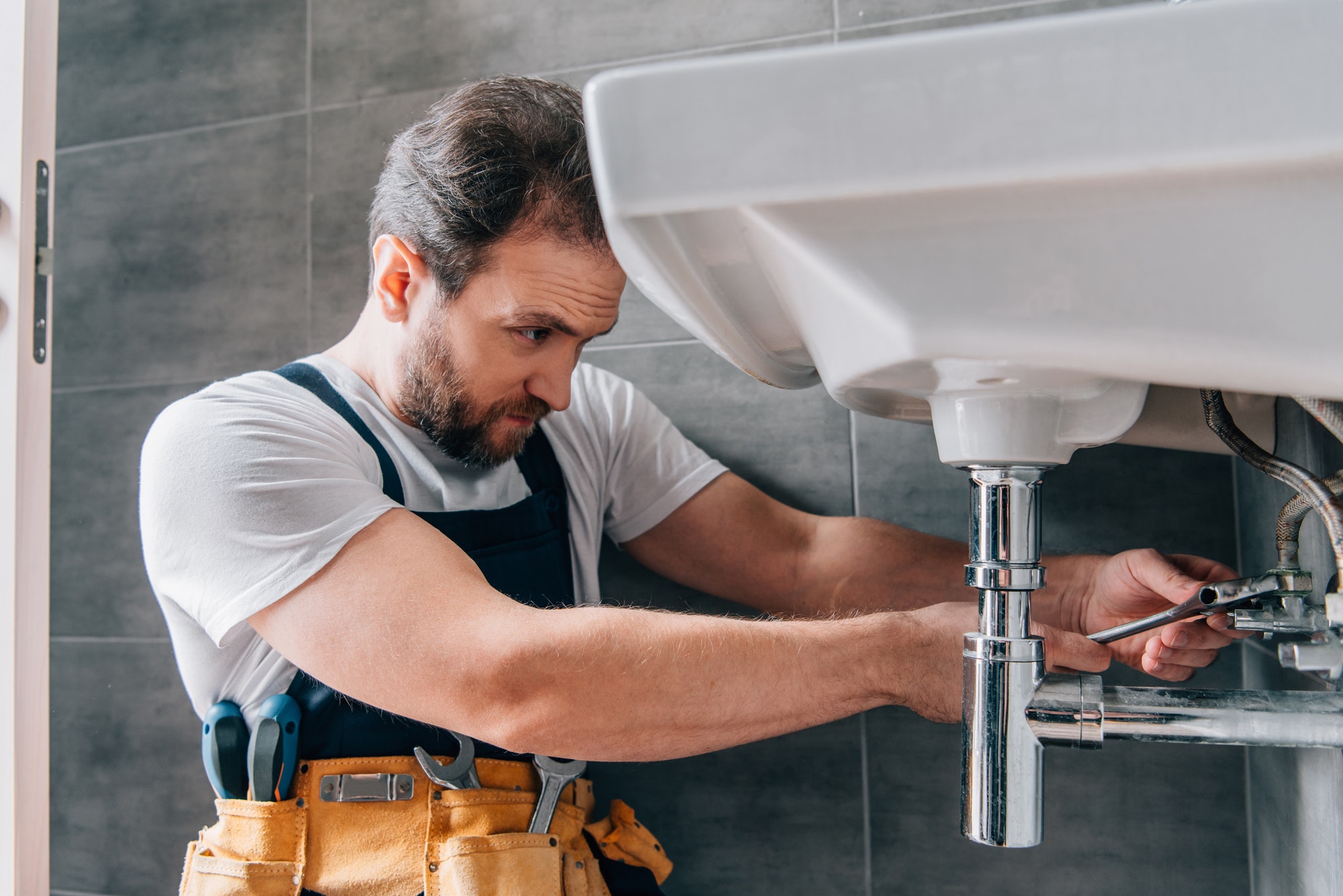
A dripping faucet may seem harmless until it turns into a water damage prevention nightmare. If you’ve ever asked yourself, “Can a handyman do plumbing?” The answer is “yes”. A trained handyman can handle plumbing repairs, clogged drains, under-sink leak repair, and even fix a leaking toilet. They have the specialized tools and skills to stop small leaks before they become major structural problems. That is what makes professional plumbing less stressful.

Drywall Repairs

Tiny dents in drywall may appear simple, but getting a smooth, paint-ready finish is not. Your local handyman can manage drywall repair with precision, sanding, and finishing to restore your walls. Skipping this and doing it yourself often leads to visible seams and extra work. Knowing what can a handyman do without a license ensures you hire someone who knows how to patch up your wall without creating more work for you.

Appliance Repairs

Installing or fixing appliances like dishwashers or washing machines may seem plug-and-play. But anyone who has tried a washing machine repair knows it involves electrical, drainage, and water connections. A professional handyman handles appliance hookups correctly and prevents voiding warranties. So why risk a flood or a broken appliance when a simple call solves it all?

Tile and Grout Work

Ever tried fixing tile yourself and ended up with crooked lines? Exactly. That is why this is not a simple handyman job. Replacing broken tiles or repairing grout is another task better left to the experts. Poor installation can ruin the floor or wall appearance. A handyman skilled in tile installation and tile and grout work uses the right materials and precision. Your floors or bathrooms will look professional and last longer. 

Furniture Assembly

Some furniture looks easy on the box, but those IKEA wardrobes or modular shelves can be a nightmare. Professional handyman services save you hours of confusion with furniture assembly. These trained experts know the tricks to get everything safe, stable, and level. No more wobbly shelves or missing screws. That is a real time-saving benefit.

Door and Window Repairs

Squeaky doors, misaligned windows, or drafty entryways are common headaches that homeowners complain about. A handyman is trained to do door repairs, door replacement, window repair, or even new window installation, all without breaking a sweat. They handle locks, hinges, and weatherproofing so your home is not only secure but also energy-efficient. Trying this yourself often leads to more frustration and less energy efficiency down the line.

Painting and Wall Repairs

Painting may look easy, but achieving an even, flawless finish is not. A handyman handles painting, wall prep, minor wall repairs, and touch-ups with the right technique. They ensure surfaces are smooth, clean, and ready to impress. Your walls will look like new without the stress of uneven lines or dripping paint. It is one of those common handyman tasks that is best left to the professionals.

Hanging Fixtures and Wall Mounting

Mounting TVs, shelves, or heavy decor is about more than just looks. Incorrect mounting can ruin walls or even cause personal injury. Not something you would want to try, right? A handyman skilled in mounting TVs, and mounting shelves]ensures everything is safe, level, and secure. Why risk a cracked wall or falling shelf when a professional handyman can handle it in minutes?

Routine Maintenance Tasks

Most homeowners forget the small, preventive tasks that keep a house running smoothly. From seasonal filter cleaning to caulking, gutter cleaning, gutter repair, or minor deck repair, a handyman handles it all. These services save money, improve structural integrity, and reduce stress. Maintenance packages from a handyman are perfect for preventive maintenance that keeps your home safe and functional year after year.

When to Call a Handyman

So, when should you stop DIY and call a handyman? If you are unsure of your skills, lack specialized tools, or risk safety, it is time. Knowing different types of handyman services gives you clarity and peace of mind knowing the job is handled by someone who does it right. Small repairs, short fix, or long fix projects all benefit from professional assistance. Hiring a handyman is not just about time-saving, it reduces cost savings and ensures safety compliance, allowing you to handle home repairs more efficiently.

How Much Does It Cost to Hire a Handyman

It is common for homeowners to ask, “How much does a handyman charge per hour?” The truth is, the price varies depending on the task and duration. On average, it often ranges from $50 to $100 per hour for most small to medium jobs, while flat fees for specific tasks like mounting TVs, appliance hookups, or furniture assembly can range from $75 to $250 depending on complexity. A licensed handyman brings experience along with the right tools and know-how to get the job done correctly. Many also offer maintenance packages that bundle multiple services, providing long-term cost savings and extra peace of mind.

Conclusion

So, the next time you see a leaky faucet, a crooked shelf, or a patchy wall, think twice before reaching for your toolkit. A professional handyman ensures home improvement is stress-free, safe, and done right the first time.

If you need a reliable handyman, we at Santino’s A+ Handyman Service provide the best handyman services for all your home repair needs. From small fixes to larger projects, our team has the skills, the required handyman experience, and the right tools to get the job done efficiently and professionally. 

For more information or to get a quote, visit us at https://santinosaplushandymanservice.com/ and take the first step toward hassle-free home repairs today.

People Also Ask

A handyman covers plumbing repairs, electrical repairs, drywall repair, painting, furniture assembly, appliance hookups, wall mounting, deck repair, and general home repairs.

For small or routine jobs, a professional handyman is cost-effective and efficient. Larger tasks like major electrical or plumbing work may require licensed specialists.

Look for a licensed handyman, check reviews, ask for references, and ensure they have specialized tools to handle the job safely and efficiently.

8 Plumbing System Warnings

Your home’s plumbing is more than just a collection of pipes, it’s a network that supports your comfort, hygiene, and safety every day. But like anything used daily, your plumbing system can start to break down over time. And when it does, the warning signs can range from mildly annoying to full-blown emergencies.

If you’ve ever wondered, “Why is my water pressure suddenly low?” or “Why does my house smell like sewer?”, these may be early signs that something deeper is going wrong behind the walls and under the floors.

Here are eight plumbing system warnings that should never be ignored.

1.Frequent Sewer Backups or Sewage Odor

Few things are more unpleasant, or even dangerous, than sewer backups. If you ever notice waste water backing up in your drains, or catch a strong smell of something foul, it might not just be a clogged line. These are potential signs of a failing sanitary pipework system or broader issues with your plumbing and septic systems.

A broken drain pipe or an overloaded septic tank can expose you and your family to harmful bacteria like E. coli and Salmonella. Inhaling or contacting contaminated air or water could even lead to health problems. So if you’re asking yourself, “Why does my house smell like sewer?”, it’s time to take it seriously.

2.Cloudy or Discolored Water

When you turn on a tap, you expect clean, clear water. But if you’re getting yellow, brown, or greenish water instead, this might hint at pipeline corrosion or a rusting water heater. Older homes are especially prone to these plumbing problems in old homes, where old pipes start to wear out and make your water look dirty or discolored.

Cloudy water often indicates trapped air or sediment, which is another possible failure in your closed plumbing system. In either case, don’t drink discolored water until the source has been properly inspected.

3.Low or Dropping Water Pressure

Ever stepped into the shower after a long day at work expecting a strong stream, only to be met with a sad trickle of water? Low water pressure in home plumbing can turn simple tasks like rinsing dishes or washing your hair into a nightmare. But it’s not just annoying, a sudden drop in pressure could mean a hidden leak, sediment buildup, or something more serious. 

So if you’re wondering, “Why is my water pressure suddenly low?”, it might be time to take a closer look at your plumbing. 

4.Rusted or Failing Water Heaters

Water heaters are not built to last forever. Corrosion inside the tank is one of the most common issues. Over time, minerals in the water begin to collect, making the heater work harder and less efficiently. If this buildup is ignored, it can cause low water pressure or even lead to a complete tank failure.

Worse yet, rust particles can leach into your home’s water, which poses real health concerns. If you’re wondering, “Are corroded pipes dangerous?” the answer is yes, they are, especially when connected to old water heaters.

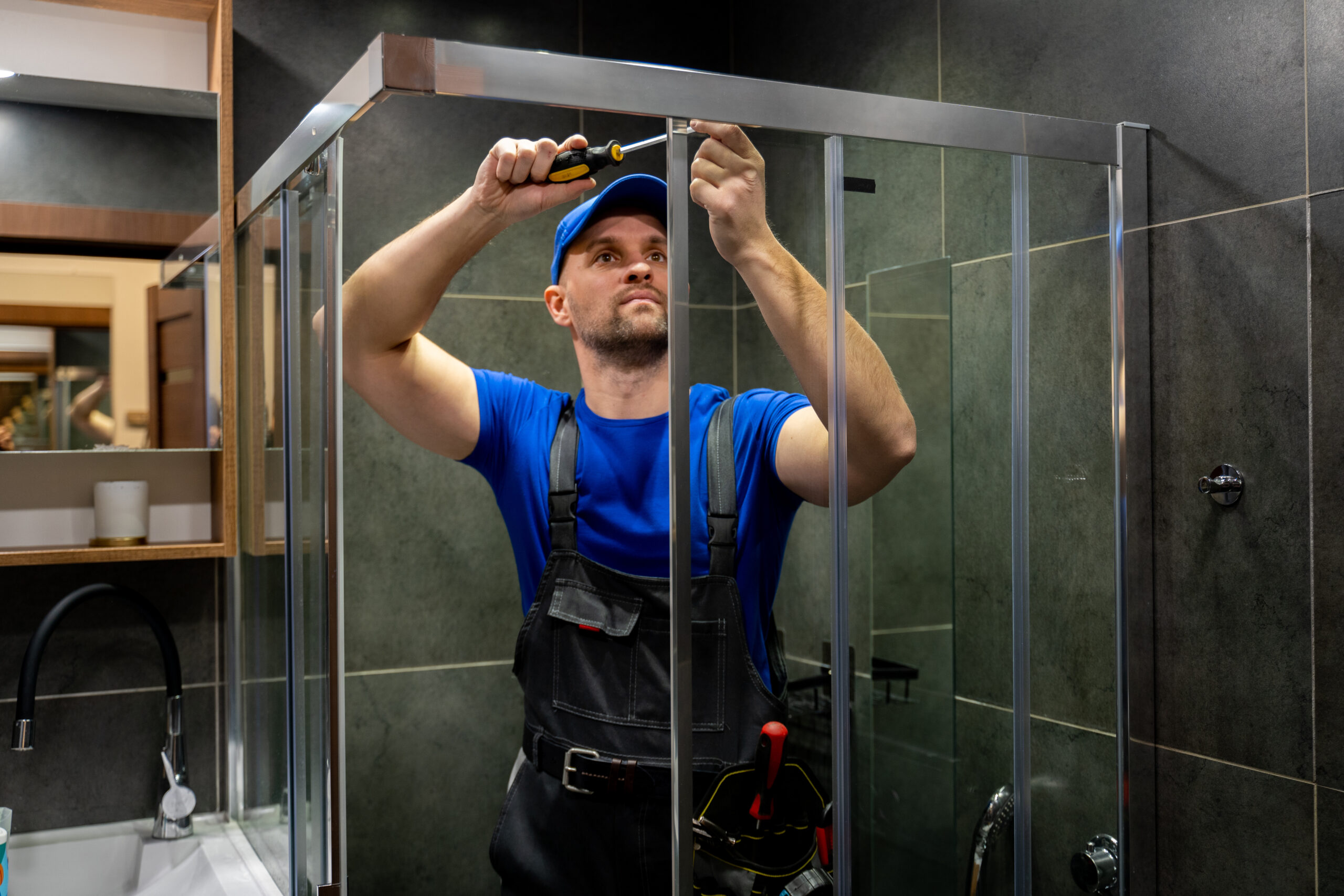
We offer shower replacement and bathroom remodeling
Handyman Services

5.Gurgling or Bubbling Fixtures

Ever hear strange gurgling sounds from your toilet or sink and wonder what’s going on? Those noises are not just weird, they are often your plumbing system’s way of warning you something is wrong.

When your toilet gurgles when washer drains, or you notice your toilet bubbles when flushing, it usually means there is air trapped in the pipes or a blockage forming in the drain. These bubbling sounds are early signs of a clog or poor venting, both of which can lead to serious plumbing hazards if ignored.

The sooner you catch these sounds, the better your chances of avoiding a messy backup or expensive repairs.

6.Leaking Faucets

Think a dripping faucet is just a small nuisance? We hate to break it to you but that’s not it. While it may seem harmless, that steady drip can waste more water than you realize. In case you ever asked yourself, “How much water does a dripping faucet waste?” The answer is often over 3,000 gallons a year from a single faucet.

Beyond wasting water, a leak can be a sign of worn-out valves or aging parts in your plumbing. In many cases, it means your system could use some attention or pipework maintenance. This is especially common in older homes, where plumbing components tend to wear out faster. 

7.Strange Smells from Sinks or Drains

If your kitchen or bathroom smells like something crawled in and never left, your plumbing might be the reason. Those bad smells are often caused by gases that should be staying inside your pipes, but are somehow making their way into your home.

This usually happens when something goes wrong with the plumbing trap or vent. In some bathroom plumbing issues, a dry or damaged trap can let sewer smells seep indoors. A clogged air in plumbing system vent can also stop water from draining properly and send odors back up through your sinks.

Sometimes, the fix is as simple as running water to refill the trap. Other times, you may need a plumber to find and fix the deeper issue.

8.Unexpected Spike in Your Water Bill

Opened your water bill and nearly spilled your coffee? A sudden jump in your water bills is often a clue that something is wrong behind the scenes. Hidden leaks, a constantly running toilet, or a cracked service line can quietly waste water day after day, without you even noticing.

Even small drips or unnoticed plumbing issues can send your meter spinning and your costs soaring. If left unchecked, the damage can get worse and more expensive to fix. In some cases, you might need to replace plumbing system parts that are simply too worn to repair.

Stay Ahead with Preventive Plumbing Care

Plumbing problems rarely happen overnight. They build up quietly, hidden behind walls and under floors, until something goes wrong. The good news? Most of these issues can be prevented with regular maintenance.

By staying on top of inspections, checking for early signs, and scheduling timely repairs, you can avoid expensive damage and unexpected disruptions. Whether it’s a small leak, unusual sounds, or rising water bills, catching problems early keeps your plumbing system running efficiently and your home protected.

Frequently Asked Questions – FAQs

What are plumbing system warnings?

Plumbing system warnings include low water pressure, foul odors, increased water bills, slow or clogged drains, discolored water, and strange noises like gurgling or banging. 

What is the most common problem in a plumbing system?

Clogged Pipes and Sewer Problems: One of the most common plumbing issues is clogged pipes and sewer lines, which prevent proper wastewater drainage.

How many systems are there in plumbing?

Homes are generally equipped with three main plumbing systems: water supply, drainage, and venting.

Can all plumbing issues be fixed?

While some problems are minor and can be fixed with a little bit of DIY, others may require professional intervention. 

What are some plumbing emergencies?

Clogged Toilets
Clogged Sinks or Tubs
Burst Pipes
No Hot Water
Sump Pump Failure
Broken Water Line
Broken Washing Machine Hose
Toilet Won’t Stop Running

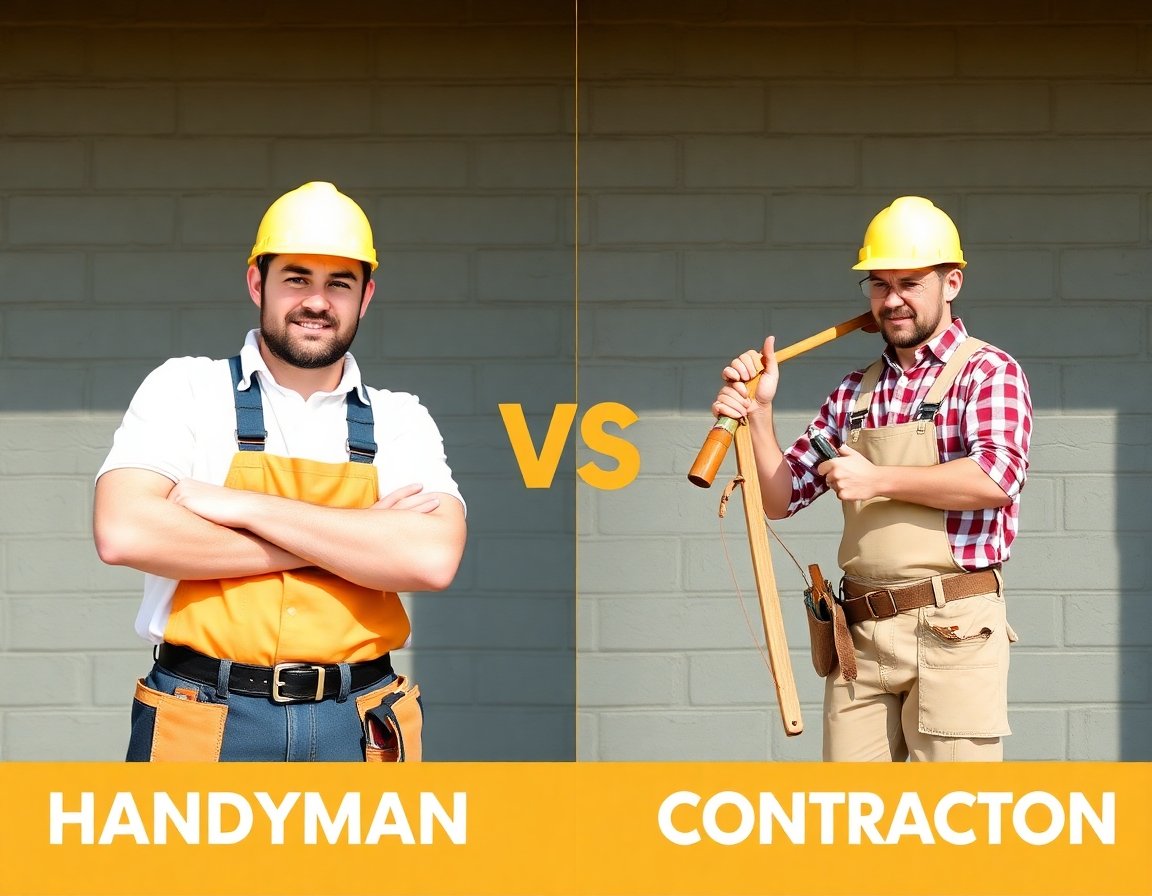
Handyman vs Contractor | Who is better?

When it comes to fixing things around the house, many homeowners can’t decide between whether to call a handyman or a contractor. While both can handle a range of tasks, they serve different purposes. A professional handyman is great for minor home tasks like fixing shelves, repairing drywall, or handling general home repairs. On the other hand, a licensed contractor is often sought after for larger, more complex jobs such as remodeling or major renovation projects. Knowing who and when to hire not only saves you time and money but also ensures your project follows deadlines and is well-organized. 

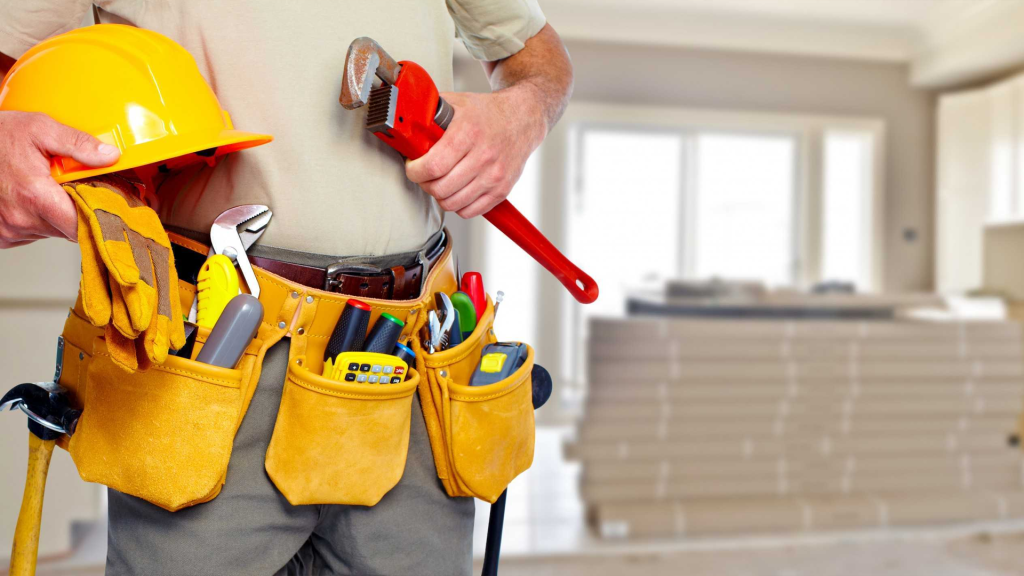
What Does a Handyman Do?

A handyman is your go-to professional for a wide range of small repairs and everyday fixes around the house. These include fix-it jobs like repairing doors, patching drywall, unclogging drains, painting walls, or handling light plumbing and electrical work. Most handyman services focus on basic home maintenance, making them perfect for quick improvements or touch-ups that do not require specialized licensing. 

Homeowners often rely on a handyman for odd jobs that are too small for contractors but still important in order to keep a home running smoothly. Since these tasks are usually billed by the hour, hiring for handyman jobs is often more cost-effective for short-term projects. 

Handyman Services
Handyman Services

What Does a Contractor Do?

A contractor is someone you need when your project involves large-scale or specialized work that goes beyond simple repairs. Whether you are planning a full kitchen makeover, adding a new room, or upgrading your electrical system, a licensed professional is typically required. A general contractor oversees all aspects of the job, often coordinating with other specialists such as roofing contractors, concrete contractors, or electrical contractors to get the work done safely. 

On top of that, contractors are also responsible for securing construction permits and ensuring all work complies with local building codes. Because of these responsibilities, a contractor must be both licensed and insured. 

Key Differences: Handyman vs Contractor

  • Licensing and Certification: A handyman is not required to be licensed for most small tasks, while a contractor must meet specific state or local legal requirements to handle structural or specialized work.
  • Job Size and Complexity: Handymen are ideal for quick fixes and light maintenance, while contractors are better suited for larger jobs with more project complexity, like remodeling or new installations.
  • Skill Level Comparison: While both have practical experience, a contractor usually brings advanced skills, training, and knowledge for tasks that demand more than general repair work, highlighting another key difference between the two.
  • Cost Differences: The handyman vs contractor cost can vary greatly. Handymen often charge lower hourly rates, while contractors quote by project, making them more expensive but better suited for big jobs.
  • Timeframe and Scheduling: Handyman services are usually faster to schedule and complete, while contractors may need more time due to permits, inspections, and planning needs. This is especially true for long-term or multi-phase projects.

When Do You Need a Contractor VS Handyman?

Thinking of knocking down a wall or redoing your kitchen? That is your cue to hire a contractor. For projects that involve home remodeling, structural changes, or anything that requires building permits, a licensed contractor is always the safer bet. They ensure everything meets code compliance and are trained to handle larger tasks like a plumbing overhaul or complete renovations.

On the other hand, if you have got a loose door hinge or a dripping faucet, a handyman might just be the right fit for your job. Perfect for quick fixes, same-day repairs, or other no-permit jobs, handymen are ideal for small, practical tasks that do not necessarily require special licensing. They also offer a great DIY alternative if you prefer to leave the tools in the shed. 

Contractor VS Handyman: Which One Is Right for You?

So who is better — a handyman or a contractor? The answer really depends on the type of work you need done. If your project involves quick repairs, minor touch-ups, or small tasks that do not require permits, a handyman is often the more affordable and convenient choice. However, if your project is more complex, involves structural changes, or needs to follow specific building codes, a contractor is the better fit. 

In the end, it is not about who is better overall but who is better for the job at hand. Choosing the right professional for your specific needs will not only help you save time and avoid stress, but also get the results you want for your home.

Frequently Asked Questions – FAQs

What is the difference between a handyman and a contractor?

A handyman typically handles smaller, general maintenance and repair tasks, while a contractor usually manages larger, more complex projects like renovations or new construction. 

What is the role of a contractor?

A contractor is anyone who directly employs or engages construction workers or manages construction work. Contractors include sub-contractors, any individual self-employed worker or business that carries out, manages or controls construction work.

What do most contractors charge per hour?

General contractors charge a 10% to 20% fee percentage of construction costs for large projects and a fixed, daily, or hourly rate for small jobs. Contractor hourly rates are $50 to $150 per hour on average. 

What do most handymen charge per hour?

Most handymen charge between $50 and $80 per hour, making an average of $150 to $600 per job.

What are the most common handyman tasks?

They are capable of tackling a variety of tasks, including but not limited to:
Plumbing.
Drywall.
Gutter repair.
Fixture repair and replacement.
Patching and painting.
Tiling.
Painting.
Deck work.