Santino's A+ Handyman Service

How Long Does Exterior Paint Last in 2025?

How Long Does Exterior Paint Last in 2025?

Let’s be honest. Nobody really wakes up excited thinking, “Today I’ll figure out how long does exterior paint last on wood.” But here you are, asking the very questions homeowners everywhere ask themselves the moment they see that first crack on their exteriors. So, let’s dive into it. In 2025, paint technology has come a long way, but nature is still undefeated. And yes, when repainting a house’s exterior is one of those things you can’t avoid forever.

The truth? How long does paint last depends on a mix of science, surface prep, and your local area’s climate. You can buy premium paint, use a perfect paint primer, and hire experienced painters, but if you skip the basics like surface preparation, power washing, or caulking gaps, don’t expect miracles. So let’s break it down by the type of siding because not all walls are created equal.

Wood Siding

So, how often should you paint the exterior of your house if it’s wood? Generally, every 3–7 years. Wood siding is high-maintenance because it expands, contracts, and drinks in moisture like a sponge. That means moisture damage, mold, mildew, algae, and even fading colors show up sooner than you’d expect. 

However, if you want long-lasting results, start with an oil-based primer or water-based primer (depending on whether it’s hardwood vs softwood) before finishing with acrylic latex paint or even elastomeric paint for better paint adhesion.

Fiber Cement Siding

This one’s the low-maintenance kind. Fiber cement siding typically holds exterior paint life expectancy for 10–15 years. With a good primer coat and multiple coats of paint, it handles UV rays, humidity, and temperature fluctuations like a champ. 

Acrylic paint or mineral-based paint works best here because it resists chalking and cracking paint. Want to know how long the exterior paint lasts on fiber cement? Longer than wood, less than brick, and enough to keep you stress-free for a decade.

Aluminum Siding

Now let’s talk aluminum siding. If you think metal means invincible, think again. While metal siding itself can last 40–70 years, the long lasting outdoor paint covering it? About 5–10 years. 

Factors like high winds, rain, or direct sunlight take a toll at even the longest-lasting exterior paint. Here, oil-based paint or acrylic latex paint gives the best paint coverage and curb appeal. Don’t forget taping for sharp lines if you DIY, unless you want your home to look like a preschool art project.

Brick Siding

Brick siding is sturdy but tricky as well. Painted brick requires touch-ups every 3–5 years because peeling paint or trapped moisture damage can ruin the brick inside out. Go for acrylic paint or mineral-based paint for better breathability. 

And in case you’re asking how long will exterior paint last on brick, the answer is not as long as you’d like. Think of it as a cosmetic upgrade, not a permanent solution.

Stucco Siding

Stucco siding has its way of standing out. Painted stucco can last anywhere between 5–10 years with proper upkeep. The real challenge? Cracking paint and tiny surface flaws that invite water inside.

Regular upkeep and a good paint roller or spray painting session can definitely help extend the exterior paint’s lifespan. Which is why for maximum durability, many professional painting companies use elastomeric paint because it stretches over hairline cracks and gives a smooth finish.

Vinyl Siding

Surprise, vinyl siding isn’t usually painted, but it can be. Expect the exterior paint to last between 8–10 years, especially with lighter shades that reduce heat absorption, since dark paints fade faster in direct sunlight. 

If you’re brave enough for a DIY paint job, stick to acrylic latex paint for strong paint adhesion. Otherwise, let painting experts handle it for a home exterior protection that doesn’t peel in a single summer.

Factors That Affect Exterior Paint Longevity

You guessed it. Exterior paint doesn’t last forever because of more than just the type of siding. How long does outdoor paint last also depends heavily upon a variety of factors that include the quality of the paint, how well the surface was prepped, the local climate, and how the paint was applied. 

Here are the main factors behind why you need a paint-job so often:

Surface Preparation

Skipping sanding, caulking gaps, and power washing is basically asking for cracking paint and chalking. It might sound cheap to avoid the cost upfront but you will probably end up paying more in the long-run. 

Paint Quality

Not all cans are equal. High-quality paint and premium paint are known to resist UV rays, snow, rain, and extreme weather conditions. Cheap paint? It goes bad faster than milk. Speaking of which, yes, does paint go bad? Absolutely. Open it once, forget it in the garage, and enjoy your lumpy science experiment.

Application Method

Whether it’s hand painting, a paint roller, or spray painting, the technique plays a key role in deciding how long is paint good for. Even coverage and multiple coats of paint guarantee better paint coverage and longer drying and curing time for maximum durability.

Climate Impact

Harsh winters, temperature fluctuations, humidity, direct sunlight, high winds, rain, and snow all eat away at the exterior wall surface. Even shade protection can be a double-edged sword, since less sun but more moisture invites mold, mildew, algae.

Signs It’s Time to Repaint

  • Fading colors on sun-exposed walls

  • Peeling paint, cracking paint, or flaking paint

  • Chalking when you rub the siding

  • Visible mold, mildew, or algae

  • Paint older than 7 to 10 years

Conclusion

So, how often do you paint a house exterior? The honest answer lies anywhere from 3 to 15 years, depending on the surface, the weather, and whether you treated your home with love or neglect. A well-prepared, well-painted exterior not only protects against elements but also extends paint longevity. 

Ready to Transform ?

At Santino’s A+ Handyman Service, our painting experts deliver professional exterior painting services with top-quality paints and techniques that guarantee long-lasting results. Handling everything from exterior wall inspection and prep to finishing, we give your exterior that flawless look that it demands in 2025. Call us today at (760) 697-4828.

FAQs

Unopened cans last up to 10 years. Open paint goes bad in 2–5 years depending on storage.

Every 3–15 years depending on siding type, paint quality, and climate conditions.

Acrylic latex paint and elastomeric paint are the top choices for durability and flexibility.

On average, 5–10 years, but masonry surfaces and stucco siding can last longer with proper upkeep.

8 Plumbing System Warnings

Your home’s plumbing is more than just a collection of pipes, it’s a network that supports your comfort, hygiene, and safety every day. But like anything used daily, your plumbing system can start to break down over time. And when it does, the warning signs can range from mildly annoying to full-blown emergencies.

If you’ve ever wondered, “Why is my water pressure suddenly low?” or “Why does my house smell like sewer?”, these may be early signs that something deeper is going wrong behind the walls and under the floors.

Here are eight plumbing system warnings that should never be ignored.

1.Frequent Sewer Backups or Sewage Odor

Few things are more unpleasant, or even dangerous, than sewer backups. If you ever notice waste water backing up in your drains, or catch a strong smell of something foul, it might not just be a clogged line. These are potential signs of a failing sanitary pipework system or broader issues with your plumbing and septic systems.

A broken drain pipe or an overloaded septic tank can expose you and your family to harmful bacteria like E. coli and Salmonella. Inhaling or contacting contaminated air or water could even lead to health problems. So if you’re asking yourself, “Why does my house smell like sewer?”, it’s time to take it seriously.

2.Cloudy or Discolored Water

When you turn on a tap, you expect clean, clear water. But if you’re getting yellow, brown, or greenish water instead, this might hint at pipeline corrosion or a rusting water heater. Older homes are especially prone to these plumbing problems in old homes, where old pipes start to wear out and make your water look dirty or discolored.

Cloudy water often indicates trapped air or sediment, which is another possible failure in your closed plumbing system. In either case, don’t drink discolored water until the source has been properly inspected.

3.Low or Dropping Water Pressure

Ever stepped into the shower after a long day at work expecting a strong stream, only to be met with a sad trickle of water? Low water pressure in home plumbing can turn simple tasks like rinsing dishes or washing your hair into a nightmare. But it’s not just annoying, a sudden drop in pressure could mean a hidden leak, sediment buildup, or something more serious. 

So if you’re wondering, “Why is my water pressure suddenly low?”, it might be time to take a closer look at your plumbing. 

4.Rusted or Failing Water Heaters

Water heaters are not built to last forever. Corrosion inside the tank is one of the most common issues. Over time, minerals in the water begin to collect, making the heater work harder and less efficiently. If this buildup is ignored, it can cause low water pressure or even lead to a complete tank failure.

Worse yet, rust particles can leach into your home’s water, which poses real health concerns. If you’re wondering, “Are corroded pipes dangerous?” the answer is yes, they are, especially when connected to old water heaters.

We offer shower replacement and bathroom remodeling
Handyman Services

5.Gurgling or Bubbling Fixtures

Ever hear strange gurgling sounds from your toilet or sink and wonder what’s going on? Those noises are not just weird, they are often your plumbing system’s way of warning you something is wrong.

When your toilet gurgles when washer drains, or you notice your toilet bubbles when flushing, it usually means there is air trapped in the pipes or a blockage forming in the drain. These bubbling sounds are early signs of a clog or poor venting, both of which can lead to serious plumbing hazards if ignored.

The sooner you catch these sounds, the better your chances of avoiding a messy backup or expensive repairs.

6.Leaking Faucets

Think a dripping faucet is just a small nuisance? We hate to break it to you but that’s not it. While it may seem harmless, that steady drip can waste more water than you realize. In case you ever asked yourself, “How much water does a dripping faucet waste?” The answer is often over 3,000 gallons a year from a single faucet.

Beyond wasting water, a leak can be a sign of worn-out valves or aging parts in your plumbing. In many cases, it means your system could use some attention or pipework maintenance. This is especially common in older homes, where plumbing components tend to wear out faster. 

7.Strange Smells from Sinks or Drains

If your kitchen or bathroom smells like something crawled in and never left, your plumbing might be the reason. Those bad smells are often caused by gases that should be staying inside your pipes, but are somehow making their way into your home.

This usually happens when something goes wrong with the plumbing trap or vent. In some bathroom plumbing issues, a dry or damaged trap can let sewer smells seep indoors. A clogged air in plumbing system vent can also stop water from draining properly and send odors back up through your sinks.

Sometimes, the fix is as simple as running water to refill the trap. Other times, you may need a plumber to find and fix the deeper issue.

8.Unexpected Spike in Your Water Bill

Opened your water bill and nearly spilled your coffee? A sudden jump in your water bills is often a clue that something is wrong behind the scenes. Hidden leaks, a constantly running toilet, or a cracked service line can quietly waste water day after day, without you even noticing.

Even small drips or unnoticed plumbing issues can send your meter spinning and your costs soaring. If left unchecked, the damage can get worse and more expensive to fix. In some cases, you might need to replace plumbing system parts that are simply too worn to repair.

Stay Ahead with Preventive Plumbing Care

Plumbing problems rarely happen overnight. They build up quietly, hidden behind walls and under floors, until something goes wrong. The good news? Most of these issues can be prevented with regular maintenance.

By staying on top of inspections, checking for early signs, and scheduling timely repairs, you can avoid expensive damage and unexpected disruptions. Whether it’s a small leak, unusual sounds, or rising water bills, catching problems early keeps your plumbing system running efficiently and your home protected.

Frequently Asked Questions – FAQs

What are plumbing system warnings?

Plumbing system warnings include low water pressure, foul odors, increased water bills, slow or clogged drains, discolored water, and strange noises like gurgling or banging. 

What is the most common problem in a plumbing system?

Clogged Pipes and Sewer Problems: One of the most common plumbing issues is clogged pipes and sewer lines, which prevent proper wastewater drainage.

How many systems are there in plumbing?

Homes are generally equipped with three main plumbing systems: water supply, drainage, and venting.

Can all plumbing issues be fixed?

While some problems are minor and can be fixed with a little bit of DIY, others may require professional intervention. 

What are some plumbing emergencies?

Clogged Toilets
Clogged Sinks or Tubs
Burst Pipes
No Hot Water
Sump Pump Failure
Broken Water Line
Broken Washing Machine Hose
Toilet Won’t Stop Running

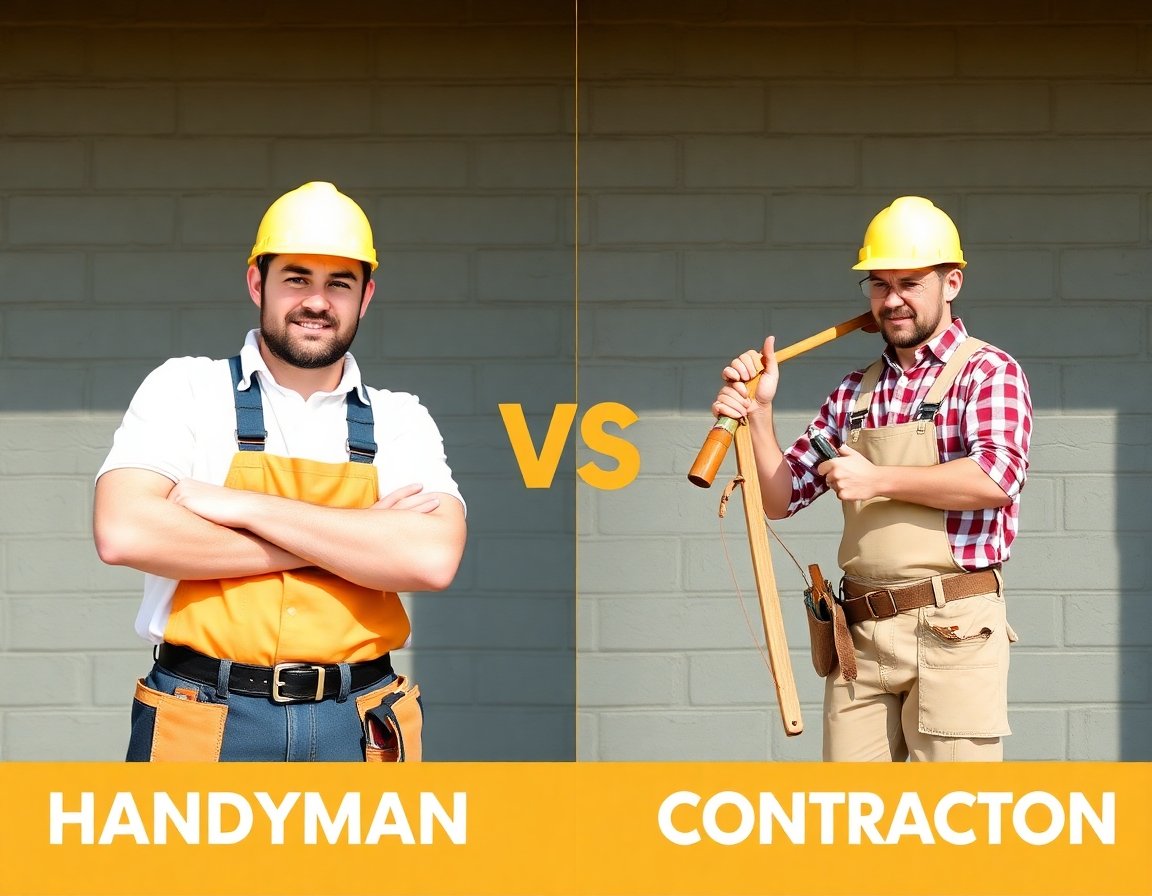
Handyman vs Contractor | Who is better?

When it comes to fixing things around the house, many homeowners can’t decide between whether to call a handyman or a contractor. While both can handle a range of tasks, they serve different purposes. A professional handyman is great for minor home tasks like fixing shelves, repairing drywall, or handling general home repairs. On the other hand, a licensed contractor is often sought after for larger, more complex jobs such as remodeling or major renovation projects. Knowing who and when to hire not only saves you time and money but also ensures your project follows deadlines and is well-organized. 

What Does a Handyman Do?

A handyman is your go-to professional for a wide range of small repairs and everyday fixes around the house. These include fix-it jobs like repairing doors, patching drywall, unclogging drains, painting walls, or handling light plumbing and electrical work. Most handyman services focus on basic home maintenance, making them perfect for quick improvements or touch-ups that do not require specialized licensing. 

Homeowners often rely on a handyman for odd jobs that are too small for contractors but still important in order to keep a home running smoothly. Since these tasks are usually billed by the hour, hiring for handyman jobs is often more cost-effective for short-term projects. 

Handyman Services
Handyman Services

What Does a Contractor Do?

A contractor is someone you need when your project involves large-scale or specialized work that goes beyond simple repairs. Whether you are planning a full kitchen makeover, adding a new room, or upgrading your electrical system, a licensed professional is typically required. A general contractor oversees all aspects of the job, often coordinating with other specialists such as roofing contractors, concrete contractors, or electrical contractors to get the work done safely. 

On top of that, contractors are also responsible for securing construction permits and ensuring all work complies with local building codes. Because of these responsibilities, a contractor must be both licensed and insured. 

Key Differences: Handyman vs Contractor

  • Licensing and Certification: A handyman is not required to be licensed for most small tasks, while a contractor must meet specific state or local legal requirements to handle structural or specialized work.
  • Job Size and Complexity: Handymen are ideal for quick fixes and light maintenance, while contractors are better suited for larger jobs with more project complexity, like remodeling or new installations.
  • Skill Level Comparison: While both have practical experience, a contractor usually brings advanced skills, training, and knowledge for tasks that demand more than general repair work, highlighting another key difference between the two.
  • Cost Differences: The handyman vs contractor cost can vary greatly. Handymen often charge lower hourly rates, while contractors quote by project, making them more expensive but better suited for big jobs.
  • Timeframe and Scheduling: Handyman services are usually faster to schedule and complete, while contractors may need more time due to permits, inspections, and planning needs. This is especially true for long-term or multi-phase projects.

When Do You Need a Contractor VS Handyman?

Thinking of knocking down a wall or redoing your kitchen? That is your cue to hire a contractor. For projects that involve home remodeling, structural changes, or anything that requires building permits, a licensed contractor is always the safer bet. They ensure everything meets code compliance and are trained to handle larger tasks like a plumbing overhaul or complete renovations.

On the other hand, if you have got a loose door hinge or a dripping faucet, a handyman might just be the right fit for your job. Perfect for quick fixes, same-day repairs, or other no-permit jobs, handymen are ideal for small, practical tasks that do not necessarily require special licensing. They also offer a great DIY alternative if you prefer to leave the tools in the shed. 

Contractor VS Handyman: Which One Is Right for You?

So who is better — a handyman or a contractor? The answer really depends on the type of work you need done. If your project involves quick repairs, minor touch-ups, or small tasks that do not require permits, a handyman is often the more affordable and convenient choice. However, if your project is more complex, involves structural changes, or needs to follow specific building codes, a contractor is the better fit. 

In the end, it is not about who is better overall but who is better for the job at hand. Choosing the right professional for your specific needs will not only help you save time and avoid stress, but also get the results you want for your home.

Frequently Asked Questions – FAQs

What is the difference between a handyman and a contractor?

A handyman typically handles smaller, general maintenance and repair tasks, while a contractor usually manages larger, more complex projects like renovations or new construction. 

What is the role of a contractor?

A contractor is anyone who directly employs or engages construction workers or manages construction work. Contractors include sub-contractors, any individual self-employed worker or business that carries out, manages or controls construction work.

What do most contractors charge per hour?

General contractors charge a 10% to 20% fee percentage of construction costs for large projects and a fixed, daily, or hourly rate for small jobs. Contractor hourly rates are $50 to $150 per hour on average. 

What do most handymen charge per hour?

Most handymen charge between $50 and $80 per hour, making an average of $150 to $600 per job.

What are the most common handyman tasks?

They are capable of tackling a variety of tasks, including but not limited to:
Plumbing.
Drywall.
Gutter repair.
Fixture repair and replacement.
Patching and painting.
Tiling.
Painting.
Deck work.

How Much Does a Plumber Cost to Hire in 2025?

The cost of hiring a plumber in 2025 will depend on the issue that needs to be fixed. Some problems may be minor, but delaying repairs can lead to bigger, more expensive issues. For example, water damage is already costly to clean up and waiting too long could result in mold, which is even more expensive to remove.

That’s why it is often best to call a plumber at the first sign of trouble. Acting early can help you avoid costly repairs down the road. This blog will answer the question, “How Much Does a Plumber Cost to Hire in 2025?”, explain what factors affect the cost, and why hiring a professional plumber can save you from costly mistakes. 

What is the Average Cost of Hiring a Plumber?

The cost of hiring a plumber can be as low as $99 or as high as $950, but most homeowners pay $336 on average. Though factors like your location, job complexity, and the materials needed eventually decide what you’ll end up paying. 

Plumbers take care of a wide range of tasks, from small jobs like replacing a faucet to larger repairs such as fixing a burst pipe. As expected, the more involved the work, the more it typically costs.

  • Basic repairs ($100–$500): This includes services like replacing faucets, repairing garbage disposals, or fixing small pipe leaks.
  • Moderate repairs ($500–$1,500): Jobs such as repairing ceiling pipes, rerouting plumbing lines, or installing toilets and sinks fall into this range.
  • Major repairs ($1,000–$4,000+): These include serious issues like burst pipes, main water line repairs, or installing a new water heater.

Let’s take a peek into the most common factors that affect the cost of plumbing.

Factors Affecting Plumbing Costs

Whether you’re dealing with a leaky pipe or replacing full fixtures, the cost of your plumbing project depends on the size of the job, the type of service needed, and your plumber’s hourly rate. Below are the common factors that affect the plumbing costs.

Type of Services

Licensed plumbers handle thousands of tasks throughout the bathroom, kitchen, basement, and more. Routine jobs, like unclogging a drain or installing a water heater, often come with flat rates. For something simple like a clogged drain, you can expect to pay between $95 and $500. On the other hand, specialized services such as gas line repairs or slab leak detection generally come at a higher cost. Here’s a detailed breakdown of the average rates for various types of plumbing services. 

Repair Type Average Cost Range 
Faucet replacement $150 – $600 
Garbage disposal repair $100 – $300 
Clearing clogs & drains $100 – $500 
Pipe leaks $150 – $450 
Main water line repair $500 – $4,000 
Ceiling pipe repair $500 – $2,500 
Burst pipes $1,000 – $4,000 
Sink installation $200 – $800 
Radiator repair $100 – $600 
Plumbing reroute $700 – $1,500 
Toilet leak repairs $100 – $300 
Toilet installation $300 – $800 
Water heater repair $150 – $750 
Water heater installation $800 – $2,000 
Water softener installation $200 – $500 

Size

The size of your plumbing project plays a major role in how much you will pay. Larger or more time-consuming jobs typically cost more due to hourly labor. Below is a general idea of what you might spend based on the size and scope of the repair:

Project Size Average Cost 
Whole-House Plumbing $10,000–$20,000 
Single-Room Plumbing $500–$2,500 
Slab Leak Work $500–$4,000 

Labor Costs

In the plumbing industry charging by hour is a standard practice, though flat rates are common for routine jobs like unclogging a drain or fixing a toilet. Most also include a call fee, which covers the cost of coming out to assess the issue. If you need service outside of regular hours, emergency rates apply and can be 1.5 to 3 times higher than usual. These factors also add up to the final cost you will end up paying for any plumbing project.

Materials and Supplies

Material costs matter only when new parts are needed. For a simple fix like a clogged drain, there may be no extra cost for materials. But if the job involves replacing pipes, the type of material you choose, such as PEX or copper, will affect the final price. Here is what you can expect to pay on average for common plumbing materials and supplies:

Common Plumbing Materials Average Cost 
Toilet$200–$1,200 
Bathroom sink $200–$1,100 
Shower $3,000–$12,000 
Tub $1,500–$10,000 

Level of Expertise

Plumbing costs can also vary based on the plumber’s experience level. Handypersons typically charge between $25 and $75 per hour, while apprentices with less than four years of experience may charge $45 to $90. On the other hand, journeypersons, who have over four years of experience and have passed a state exam, usually charge $60 to $110. And for the most advanced services, master plumbers may charge anywhere from $80 to $200 per hour.

DIY vs. Hiring a Plumber

Hiring a fully licensed and insured plumbing company gives you peace of mind when dealing with any plumbing issue at home. One wrong move during a DIY fix can lead to serious water damage, mold, or rot. That is why it is important to call a plumber as soon as you notice a leak. Trust our experts at Santino’s A+ Handyman Service for reliable, professional plumbing services that protect your home and keep your plumbing system running smoothly.

Frequently Asked Questions – FAQs

What is the difference between a journeyman plumber and a master plumber?

A journeyman plumber is a licensed plumber with a state-issued permit who installs and repairs piping for water and heating systems under the supervision of a master plumber. Also known as a plumbing contractor, a master plumber is considered the highest level in this profession.

What do most plumbers charge per hour?

Plumbers typically charge $50 to $200 per hour, depending on their experience and location. 

What is the national average cost to replace a toilet?

Replacing a toilet costs between $300 and $800.

How much does a plumber cost on the weekend?

A plumber costs more on the weekend due to after-hours or emergency service rates, which can be 1.5 to 3 times higher than standard hourly rates. 

How much does a plumber cost to fix a pipe?

The cost to repair a pipe by a plumber can range from $150 to $2,000 or more, depending on the severity, location, and type of pipe.

How Much Does a Handyman Charge to Paint a Room?

Thinking about giving a room a fresh coat of paint but unsure what it might cost? Hiring a handyman can be a smart move, but the price often depends on more than you might expect. 

This guide by Santino’s A+ Handyman Service lets you have a closer look at what you should expect and what influences the final cost.

How Much Does a Handyman Charge to Paint a Room?

For most homeowners, interior painting costs range from $975 to $3,100, but painting just one room is usually much more affordable. The final price depends on several factors, including the room’s size and the type and quality of paint. Even small details, such as the finish, can increase the overall cost.

As of 2025, a handyman typically charges around $1,100 to paint a room, with most prices falling between $200 and $2,000. The exact amount depends on factors such as the size of the room, the type of paint, the number of coats needed, and the professional you hire.

Top 5 Factors Affecting Painting Costs

The painting cost varies, typically depending on a variety of factors. Below are top 5 factors that could affect the painting cost of your room.

Room Size and Shape

The overall size and layout of the room play a major role in determining cost. Larger rooms naturally require more paint and time, while unique shapes, extra corners, or detailed architecture can add to the complexity. 

Surface Condition and Prep Work

Before painting begins, the condition of your walls must be considered. Smooth surfaces need minimal prep, but cracks, holes, or other imperfections require repair, which can add $100 to $300 or more. 

Paint Quality and Type

The type and quality of paint you choose will also affect the final cost. Latex and oil-based paints come in finishes like flat, satin, or semi-gloss, each with different pricing and performance. Lower-grade paint may cost $20 to $30 per gallon, while premium options can reach $50 or more.

Number of Coats

In most cases, two coats are recommended for even coverage and long-lasting results. While a single coat may sometimes be enough, additional coats increase both material and labor costs. On average, one gallon covers about 400 square feet with two coats, making coat count an important detail in estimating your total.

Labor Costs and Hourly Rates

Finally, labor can make up a significant part of your total expense. Handymen may charge an hourly rate or a flat fee, depending on the scope of the project and your location. 

For a standard-sized room, labor typically ranges from $200 to $500 or more. Gathering quotes from multiple providers is the best way to ensure you’re getting fair value.

Cost Breakdown by Room Type

The price of your painting project also depends on the type of room in question. For instance, bathrooms are the smallest room in the house and the least expensive to paint while painting living rooms is the most costly. Keep in mind that some larger rooms, like kitchens, can be inexpensive to paint since a large portion of the walls is covered by cabinets or backsplashes.

Bedrooms

Painting a bedroom usually costs between $300 and $750, depending on size and wall condition. Small bedrooms average around $468, while medium-sized ones range from $524 to $672. These rooms often require standard paint in a single color and involve minimal surface prep.

Living Rooms

Living rooms are the most expensive to paint, with costs ranging from $900 to $2,000. A large room averages around $724, but the price can rise due to furniture moving, floor protection, and complex layouts.

Kitchens and Bathrooms

Kitchen painting typically costs $300 to $750, with lower wall space due to cabinets reducing paint needs. Bathrooms are smaller and cost around $250 to $500. Higher-quality, washable paint is recommended, especially in kitchens.

Painting a Room: DIY vs Hiring a Professional

While painting a room yourself is a manageable DIY task, it can be time-consuming and physically demanding. A single room may take up to nine hours, not including the effort of moving furniture and preparing the space. 

Don’t let a small budget stand in the way of achieving a beautifully painted room. Hiring a handyman not only saves you time but also ensures a more professional finish with less stress on your part.

Receive an Accurate Estimate

Understanding the project scope is essential for an accurate estimate. Getting quotes from multiple painters can help you save money and ensure you are not paying more.

And if you need a flawless finish without going through the hassle, trust our skilled handymen at Santino’s A+ Handyman Service. With years of hands-on experience our expert handyman contractors will give you an accurate estimate of how much you should expect to pay, so you are never caught off-guard with hidden quotes.

What is a Handyman? All You Need to Know

Are piled up home repairs stealing your weekends? Let’s face it, dripping faucets and faulty fixtures to damaged walls and peeling paint are small issues around the house that quickly become a source of frustration. And though DIY might seem tempting, it often leaves you in a worse position than where you first started from. 

That’s where a handyman can help you. But what exactly is a handyman and what good is one? This blog attempts to define what a handyman is, what services he can provide, and how hiring one can make home maintenance and repairs more convenient and cost-effective.

What is a Handyman?

A handyman, also known as a fixer, handyperson or handyworker, is defined as a person who has expertise in a wide variety of small home repair jobs around the house. A handyman is someone who can tackle a wide range of tasks around your home, often checking off items from your never-ending to-do list. Whether it is fixing or installing doors and windows, handling minor painting jobs, repairing carpentry or drywall, or performing basic plumbing and electrical work, a handyman is well-equipped to manage many common household needs.

Think of a handyman as a general practitioner in medicine; they are skilled in many areas and can resolve a variety of everyday issues. However, for more complex or specialized problems, they will typically recommend calling in a licensed expert such as a plumber, electrician, roofer, or general contractor.

Common Services Offered by Handymen

A handyman is well-equipped to handle a variety of common household tasks. According to a poll result, below are some of the most common services a handyman is called upon to provide.

General Home Repairs

Every home requires ongoing upkeep to function efficiently. A handyman brings practical expertise to address those small but important issues that affect daily comfort and long-term durability.

Includes:

  • Leaky faucets
  • Door adjustments
  • Replacing light bulbs
  • Window repairs

Painting & Wall Repairs

Walls do more than define space; they set the tone for your entire home. Handymen help restore and refresh surfaces, giving your interiors and exteriors a clean, well-maintained appearance that enhances both aesthetics and value.

Includes:

  • Wallpaper removal
  • Drywall patching
  • Texturing walls

Light Electrical Work

A well-functioning home relies on dependable electrical features. Without getting into complex installations, a handyman can safely manage essential tasks that support comfort, lighting, and modern home conveniences.

Includes:

  • Outlet replacement 
  • Dimmer switches
  • Outdoor lighting

Plumbing Fixes

Reliable plumbing is key to a healthy and comfortable household. Handymen handle minor plumbing concerns efficiently, helping prevent leaks, blockages, and water-related damage before they become bigger issues.

Includes:

  • Toilet repairs
  • Shower head replacement
  • Sewer line checks

Carpentry & Woodwork

Wooden features add timeless character to a home. With attention to detail, handymen perform light carpentry work that maintains the charm and functionality of everything from trim and molding to custom shelving and furniture.

Includes:

  • Custom shelving
  • Baseboard installation
  • Molding and trim

The Difference Between a Handyman and a Licensed Contractor

When it comes to home improvement and maintenance, knowing who to call can be just as important as the work itself. People tend to confuse a “handyman” and a “licensed contractor” as the same thing. However, while both handymen and licensed contractors provide valuable services, their roles, qualifications, and scopes of work differ significantly. 

The main differences between a general contractor and a handyperson are their licensing requirements. They also differ in the size and types of jobs they work on.

A licensed contractor typically works on larger projects. They can build new homes, carry out major renovations, or make big changes like remodeling a kitchen or expanding a living room. Contractors usually oversee the entire project, making sure everything runs smoothly.

On the other hand, a handyman is ideal for smaller jobs that don’t require a lot of technical expertise. A handyman typically takes care of smaller repairs and everyday home maintenance. These tasks might include fixing a leaky faucet, painting a room, or repairing a door.

When to Call a Handyman vs. a Contractor

Both handymen and contractors serve essential roles in home maintenance and renovation, but knowing when to call a handyman versus a contractor is key to ensuring your home projects are handled efficiently and correctly. For smaller, routine repairs or maintenance tasks, a handyman should be your go-to choice, offering a quick and affordable solution. 

However, for larger, more specialized projects that require expert knowledge or legal compliance, a licensed contractor is recommended. They ensure the work is done safely, up to code, and with the proper expertise. Understanding the difference helps you choose the right professional for each task, ensuring your home gets the care it needs.

Get the Right Handyman for You

Tired of your home repairs piling up? Let the expert handymen at Santino’s A+ Handyman Service take the stress off your shoulders. As a trusted handyman contractor, we provide professional handyman services tailored to meet the unique needs of homeowners. Whether it’s a quick fix or a more involved project, our reliable team is here to ensure your home stays in top condition.

What Happens If A Handyman Gets Hurt On Your Property

Ever hired a handyman and thought, “Easy fix, no big deal”? While bringing someone in to tackle home repairs is super convenient, there’s a risk many homeowners overlook: what happens if that handyman gets hurt on your property? It’s not just a personal issue—it can quickly become a legal one, especially if you’re unaware of your responsibilities.

Here’s the catch; not every handyman carries liability or workers’ compensation insurance. That means if an accident happens, you could be held financially and legally responsible. From slip-and-falls to tool mishaps, these incidents can trigger premises liability claims against you. This blog will explain what you need to know in detail—so you can stay informed, protected, and worry-free.

What Is Premises Liability?

In a layman’s language, premises liability means you’re responsible for keeping your property safe for others. If someone—like a guest, delivery person, or handyman—gets hurt because of a hazard on your property (like a broken step or slippery floor), you could be held legally and financially accountable. In short, it’s about your duty to prevent accidents on your property.

Are You Liable if a Handyman Gets Injured on Your Property?

Typically, homeowners insurance includes liability coverage that may cover injuries to a handyman working on your property—especially if they don’t carry their own workers’ compensation. However, this coverage generally applies only if the injury wasn’t caused by your negligence. For instance, if they trip over an obvious hazard you failed to fix, your claim might be denied. Also, if the injury was a result of intentional harm, your insurer won’t cover it.

Prevent Handyman Injuries on Your Property: A Liability Checklist

A leaky faucet or creaky door might seem like small fixes—but if your handyman slips on a loose tile or trips over clutter, you could be the one in hot water. When someone gets hurt on your property, you may be held legally responsible under premises liability.

The good news? A few simple steps can keep the job site safe, protect everyone involved, and help you avoid any unwanted legal drama. Here’s how to get it right.

  • Check Credentials & Insurance
    Always verify that the handyman is qualified for the job. Ask for references and confirm they carry liability insurance. If they lack coverage, any injuries could become your legal headache.
  • Communicate Clearly
    Before work begins, walk them through the space. Point out any hazards, off-limits areas, or safety features like exits and fire extinguishers. Clear expectations reduce confusion—and accidents.
  • Emphasize Safety Practices
    Ensure the handyman is using appropriate safety gear like gloves, goggles, or helmets, depending on the task. Provide PPE if necessary and confirm they know where the first aid kit is.
  • Inspect Tools & Tidy the Workspace
    Faulty equipment is an accident waiting to happen. Check that tools are in good shape and keep the work area clutter-free with proper lighting and tool storage.
  • Set It in Writing
    Outline responsibilities, safety measures, and the scope of work in a written agreement. It’s not just professional—it helps protect everyone involved.
  • Keep an Eye on Progress
    Regular check-ins or light supervision can help identify risks early and reinforce safety protocols without hovering.

By ensuring that the handyman you hired ticks all these boxes, you can reduce the risk of any injury-related liability and ensure a safer work environment. 

Santino’s A+ Handyman Service – Insured and Credible

Looking to knock out those lingering home repairs without the added stress? At Santino’s A+ Handyman Service, we make the process smooth, safe, and completely worry-free. Whether it’s a full shower replacement, drywall touch-up, or just a fresh coat of paint, our team shows up with tools in hand and peace of mind in tow. We proudly serve San Marcos, Vista, Carlsbad, Oceanside, and Encinitas—bringing top-tier craftsmanship and reliable service to every doorstep.

What truly sets us apart? Every handyman on our team is fully insured—so you’re never left holding the bag if something unexpected happens. We believe your home projects shouldn’t come with hidden risks. Our coverage ensures your property and peace of mind stay protected, from the first screw tightened to the final brushstroke. When you hire Santino’s, you’re not just hiring skilled hands—you’re hiring smart, secure solutions.

Don’t Get Caught Off Guard : Partner With Professionals and Enjoy Peace of Mind

Accidents can happen in the blink of an eye—but being informed means you’re better prepared. As we’ve explored, premises liability is no small matter. If a handyman gets injured on your property, it could quickly become your legal issue. The key takeaway? Choose wisely, communicate clearly, and take the right safety precautions to avoid costly consequences.

At Santino’s A+ Handyman Service, we take the stress out of home repairs by doing things the right way. Our fully insured professionals bring not just tools and expertise, but peace of mind to every job. From painting to plumbing, we’ve got your back—safely, skillfully, and responsibly.

What Can a Handyman Do?

Are you one of those people who have a never-ending list of household tasks that never seem to get done? That leaky faucet you keep ignoring? The deck that’s begging for a fresh coat of sealant? Or maybe that wobbly shelf you’ve been meaning to fix for months?

Let’s face it: Life gets busy, and not everyone has the time—or the know-how—to tackle every home repair. But putting off small fixes can lead to bigger, and eventually costlier, problems down the road.

The good news? You don’t have to do it all yourself. A handyman can take care of those nagging tasks quickly and affordably, so you can finally check them off your list—without ever picking up a tool. Dive into this blog and find out what a handyman can do for you, and why hiring a professional handyman service is a more rational deal for maintaining your home.

What Is A Handyman?

Think of a handyman as your all-in-one fix-it expert—someone who can tackle everything from minor household headaches to bigger repair jobs, both inside and outside your home. Whether it’s a dripping faucet, a flickering light fixture, a squeaky door, or even a small renovation project, a skilled handyman has the know-how to get it done. The gist of it? Unlike specialized contractors who focus on just one trade, a handyman brings versatility to the table. 

At Santino’s A+ Handyman Service, we take pride in offering top-tier, multi-skilled professionals who are trained in a wide range of trades. No job is too big or too small—whether you need a quick fix or a more complex project, we’ve got you covered.

Types Of Jobs A Handyman Can Do For You

As discussed above, a handyman brings versatility to the table-from minor fixes to somewhat bigger repairs, a skilled handyman is well-equipped to take on a variety of tasks. Below is a brief list of services a handyman can provide you.

Plumbing:

Handymen are the perfect option for small plumbing jobs. Water damage is sneaky; it spreads silently while you’re none the wiser. A skilled handyman can quickly track down leaks, clear stubborn clogs, and repair damaged gutters before you face costly mold or structural issues. They’ll not only fix the immediate problem but also repair any resulting damage to floors, walls, or fixtures. 

  • Replacing faucets and shower head
  • Unclogging drains and toilets

Electrical:

Flickering lights? Dead outlets? These common electrical faults don’t always require a pricey electrician. While major electrical work requires a licensed professional, many common household electrical issues are perfect for your trusted handyman. From diagnosing whether a faulty fixture needs repair or complete replacement to safely swapping out dead switches and outlets, a skilled handyman handles it all. 

So bid farewell to that one outlet-that-never-works and get quick solutions without shocking your wallet. 

  • Installing light fixtures and ceiling fans
  • Fixing minor wiring issues

Flooring:

That creaky floorboard isn’t just annoying – it could be a safety hazard or a sign of bigger problems. A skilled handyman is all you need for a quick flooring fix. They’ll assess damage, make repairs, or advise if replacement is smarter – for any floor type. Cool right?

  • Fixing creaky floorboards
  • Floor assessment 

Painting & decorating:

A fresh coat of paint works wonders, but who has the time or patience for DIY? Your handyman can expertly refresh any surface – walls, trim, doors, even outdoor furniture – with flawless results.

Cherry on top? They don’t stop at paint! From siding repairs to window fixes, deck maintenance to exterior touch-ups, they’ll make your home’s curb appeal shine.

  • Interior and exterior painting
  • Staining decks and fences

Tiling & Grouting:

Frustrated with crooked tiles or grout that never stays clean? Leave the trouble to a pro! A skilled handyman transforms tiling from a DIY nightmare into a stress-free solution – handling tricky cuts, perfect spacing, and grout renewal with expert ease. 

  • Tiling and shaping 
  • Pro grouting

Furniture Assembly:

We’ve all been there – having purchased something only to find out we don’t really have the time to assemble it. No more missing screws or confusing instructions! Your handyman is here to assemble furniture, playsets, and more—quickly, correctly, and without the headache.

  • Mounting TVs, mirrors, and artwork
  • Installing blinds, curtains, and rods

Santino’s A+ Handyman Service – Your Trusted Handyman Service

At Santino’s A+ Handyman Service, we take pride in delivering top Handyman services across San Marcos, Vista, Carlsbad, Oceanside, and Encinitas. Our skilled team handles everything from shower installations and faucet repairs to plumbing services, professional painting, and drywall work. Having served North County San Diego for years with professionalism, we bring trusted expertise to every job – whether it’s a quick fix or a major home improvement project. 

Next time, instead of giving DIY a shot and landing in deeper trouble, give us a chance and experience the Santino’s A+ Handyman Service difference yourself. 

Realize the Benefits of Hiring a Pro

Now you know what we do, discover why we do it better! 

  • Done Right Guarantee – Professional results, zero DIY regrets.
  • One-Call Fix-All – Multiple home fixes, single expert solution.
  • Budget-Friendly – Quality work without the specialty service price tag.
  • Stress-Free Service – We handle the hassle, you enjoy the results.

Focus on more productive things while we take care of the unwanted trouble.

From ‘To-Do’ to ‘Done’—Without Lifting a Finger

Between us—your weekends are too precious to waste on DIY disasters. A handyman is your shortcut to a more relaxing weekend: fixing what’s broken, maintaining what matters, and freeing you to enjoy your space. So put down the toolbox, grab a beer, and give Santino’s A+ Handyman Service a call. 

Let’s get that list done and dusted!